Identify real ingredients
The meal starts as real food: lentils, sardines, kefir, herbs, greens, berries, seeds, oils, grains, and more.
PERSONAL FOOD INTELLIGENCE
The foodna Food Intelligence Library is a growing real-food knowledge system that translates real meals into signals: ingredients, bioactive compounds, fibers, micronutrients, preparation context, and meal patterns across five practical dimensions.
Your daily meals are your first longevity protocol. foodna helps you read them: not as a calorie tracker, not as a diet rulebook, but as personal food intelligence for the way you actually eat.
Apply for private beta →A single meal can carry dozens of meaningful signals: protein quality, fiber type, fatty acid profile, fermentation status, polyphenols, minerals, glycemic context, processing level, and preparation effects.
Most people do not have time to research all of that before lunch. foodna exists to translate real meals into useful, food-first intelligence.
foodna's early library is built from real meals, curated ingredients, and nutrition signals that appear in everyday eating: seafood, legumes, fermented foods, seeds, greens, herbs, spices, whole grains, fruits, oils, and protein anchors.
Each ingredient is interpreted not only by what it contains, but by how it appears in a meal: portion, pairing, preparation, processing level, and the surrounding food pattern.
The meal starts as real food: lentils, sardines, kefir, herbs, greens, berries, seeds, oils, grains, and more.
foodna connects ingredients to signals such as marine omega-3, fiber diversity, fermented-food context, polyphenols, micronutrients, protein quality, and food-matrix effects.
Those signals are translated into foodna's five dimensions, so users can understand what the meal may support.
How a meal may support steadier energy, glucose balance, and satiety.
How a meal may support a lower-inflammatory dietary pattern.
How a meal may support lean mass, repair, training recovery, and body composition.
How a meal may support fiber diversity, microbiome-friendly eating, digestion, and gut barrier resilience.
How a meal may deliver high-value micronutrients, phytonutrients, and low-processed nutrient richness.
sulforaphane, curcumin, anthocyanins, oleocanthal, glucosinolates, isoflavones, lignans, and allium sulfur compounds.
soluble fiber, insoluble fiber, resistant starch, beta-glucan, inulin / FOS, and pectin.
marine EPA / DHA, ALA omega-3, monounsaturated fats, saturated-fat context, and whole-food fat matrix.
total protein, leucine proxy, animal protein anchors, soy protein, legume protein, and complementary plant protein patterns.
kefir, yogurt, kimchi, sauerkraut, miso, tempeh, and live-culture caveats.
vitamin B12, vitamin D, vitamin K, folate, magnesium, zinc, selenium, iodine, iron, calcium, and choline.
anthocyanin-rich purple and blue foods, carotenoid-rich orange and red foods, chlorophyll-rich greens, and sulfur-rich alliums and crucifers.
raw vs cooked, chopped vs whole, paired with fat, paired with acid, paired with black pepper, fermented vs pasteurized, and whole vs refined.
The full foodna library lives inside the app. Here is a small preview of how we think about ingredients: not as isolated superfoods, but as food signals that change meaning depending on portion, preparation, pairing, and the rest of the meal.
Cruciferous
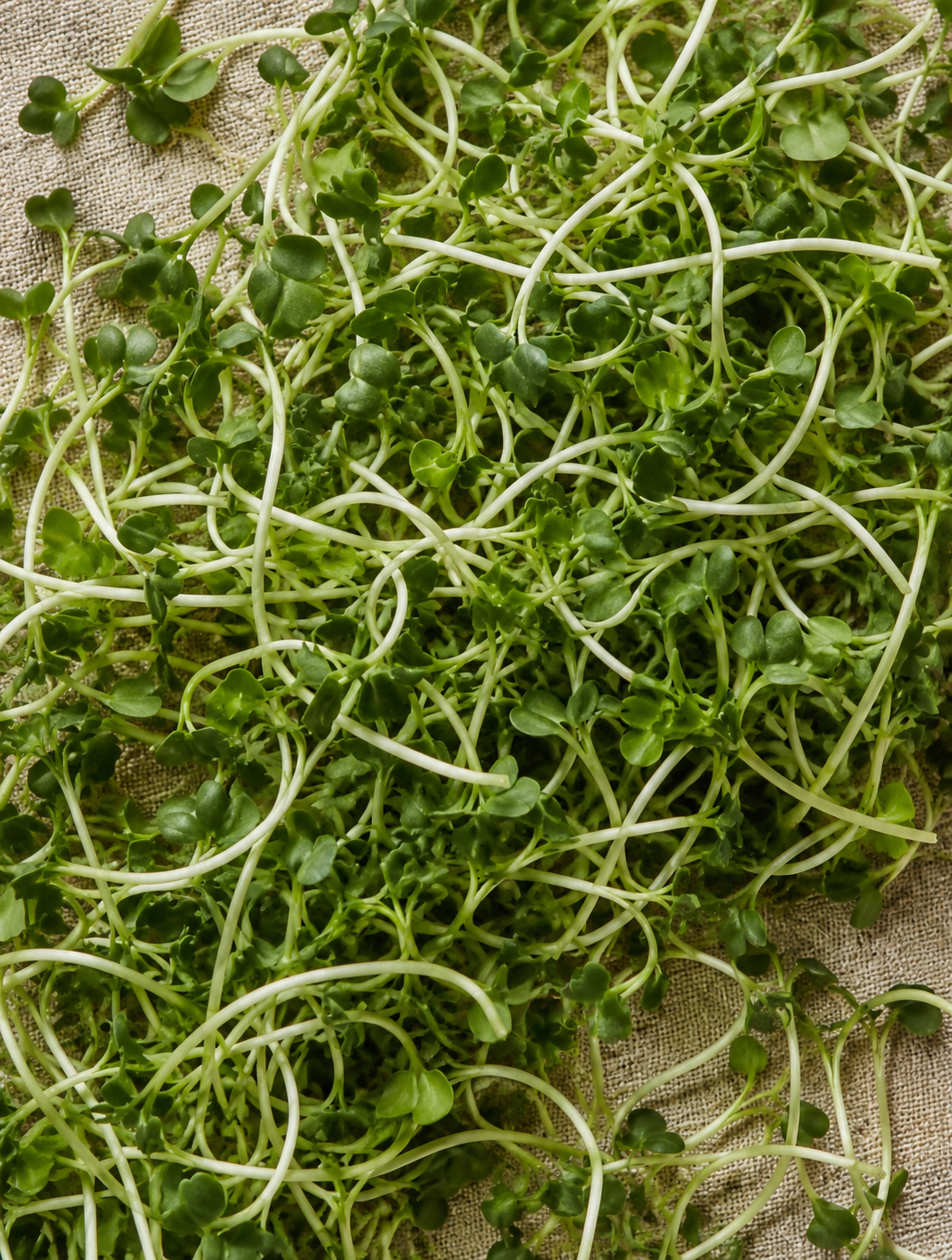
A concentrated cruciferous signal associated with glucoraphanin and sulforaphane potential.
Food intelligence note: Broccoli sprouts are not just baby broccoli. They are especially interesting because glucoraphanin can convert into sulforaphane when plant tissue is damaged and enzyme context is active. foodna reads this as a preparation-sensitive signal, not a generic vegetable label.
Preparation or pairing: Chopping, chewing, or light processing can matter. High heat may reduce enzyme activity, so preparation is part of the signal.
How foodna reads it: foodna reads broccoli sprouts as a high-value cruciferous signal that may lift Anti-Inflammation and Nutrition Density, especially when the rest of the meal includes protein, fiber, and quality fats.
Seafood
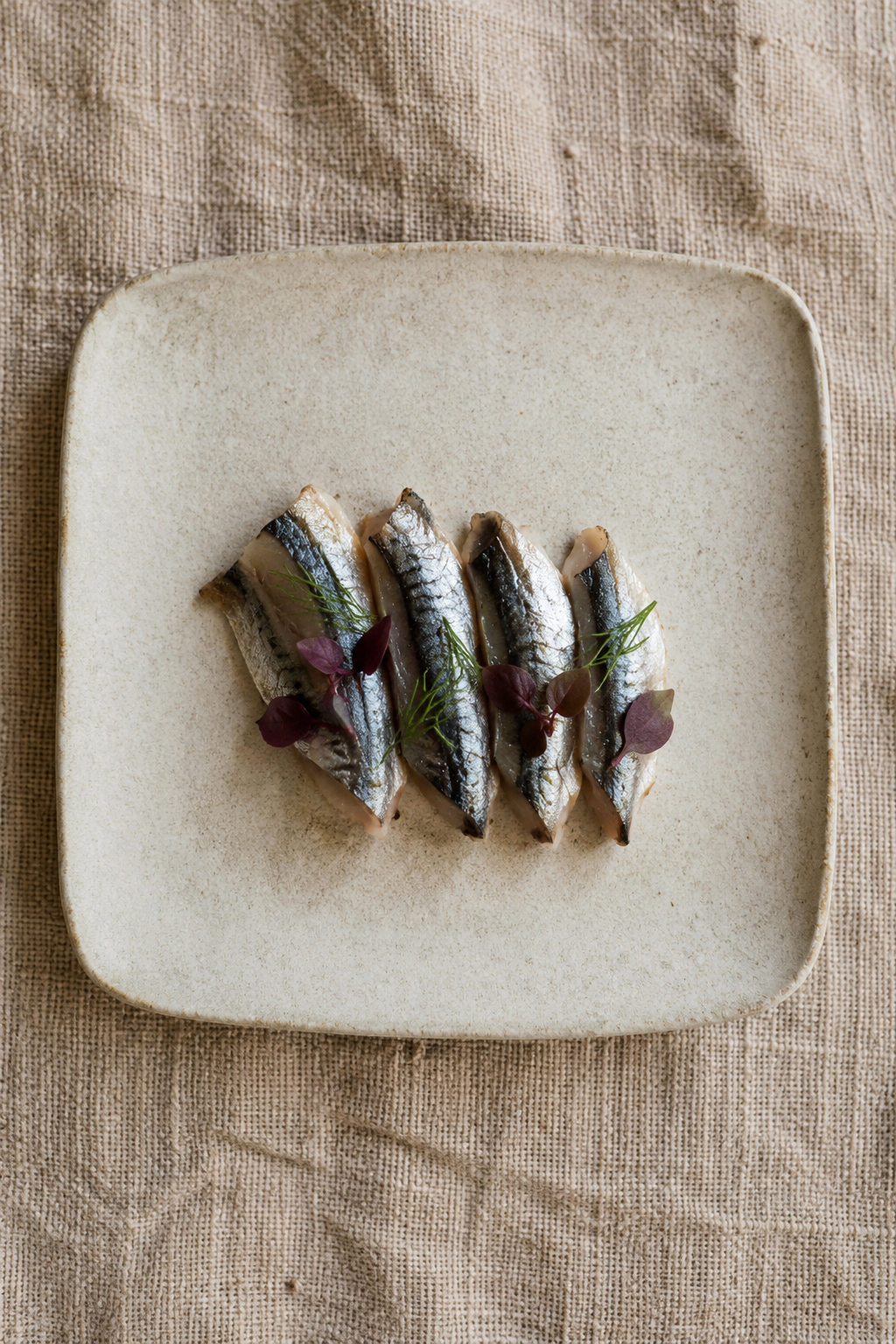
A compact marine-food signal: omega-3, protein, B12, selenium, and minerals.
Food intelligence note: Sardines are efficient small-fish foods because they combine marine fatty-acid signals with complete protein and several hard-to-get micronutrients.
Preparation or pairing: Pair with leafy greens, legumes, whole grains, herbs, citrus, or extra virgin olive oil to make the meal broader than a protein-only plate.
How foodna reads it: foodna reads sardines as a marine-protein anchor that can support Anti-Inflammation, Muscle Support, and Nutrition Density in one meal.
Legumes
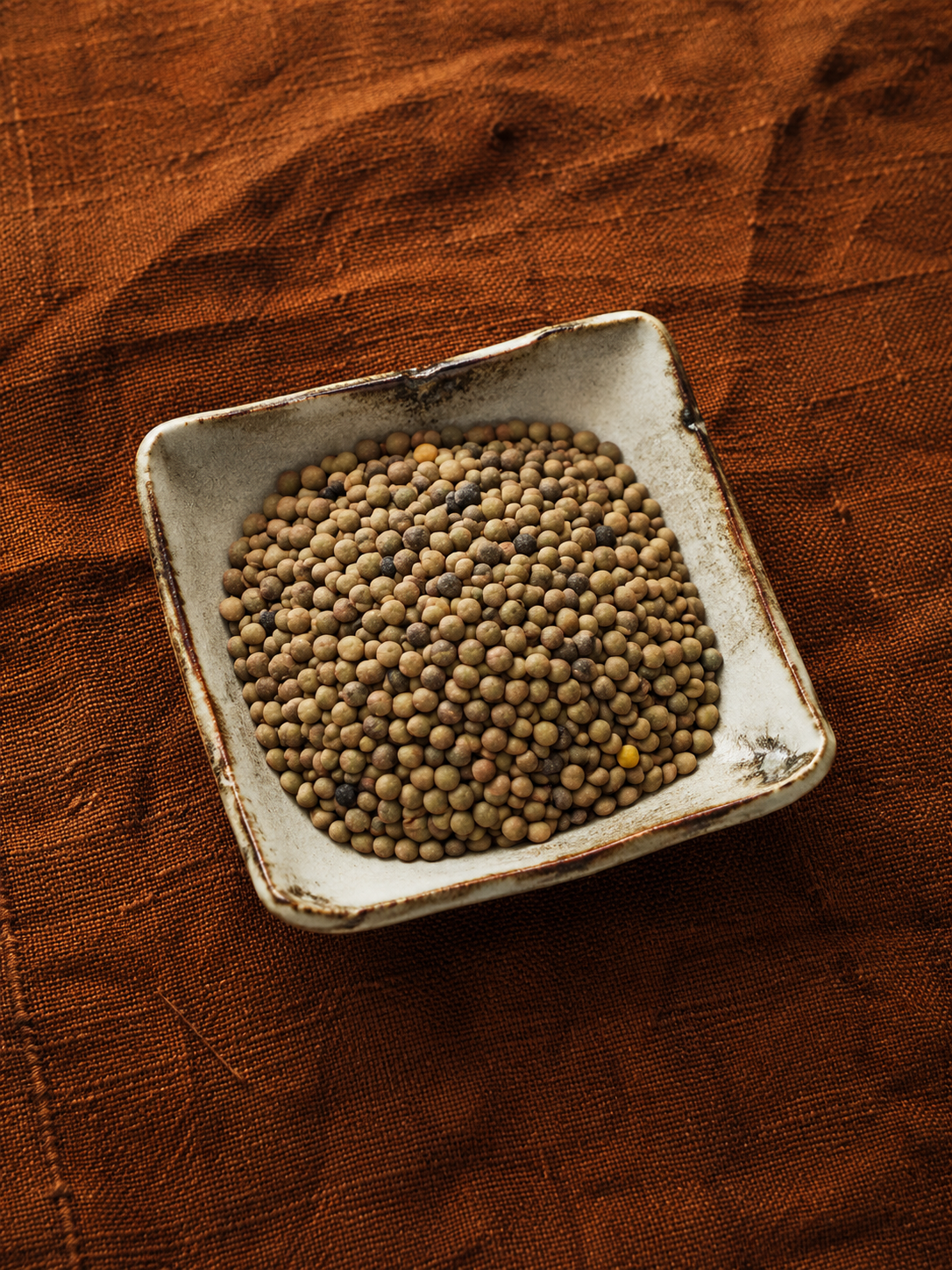
A legume signal rich in fiber, plant protein, slow carbohydrates, folate, minerals, and polyphenol context.
Food intelligence note: Lentils are not just a carbohydrate. In a real meal, they can act as a fiber-rich, protein-containing metabolic stabilizer.
Preparation or pairing: Pair with olive oil, herbs, vegetables, eggs, fish, yogurt, or whole grains depending on the intended meal pattern.
How foodna reads it: foodna reads lentils as a foundational upgrade for Gut Health and Metabolic Stability, especially when they replace refined starches or add fiber diversity to a meal.
Fermented Foods
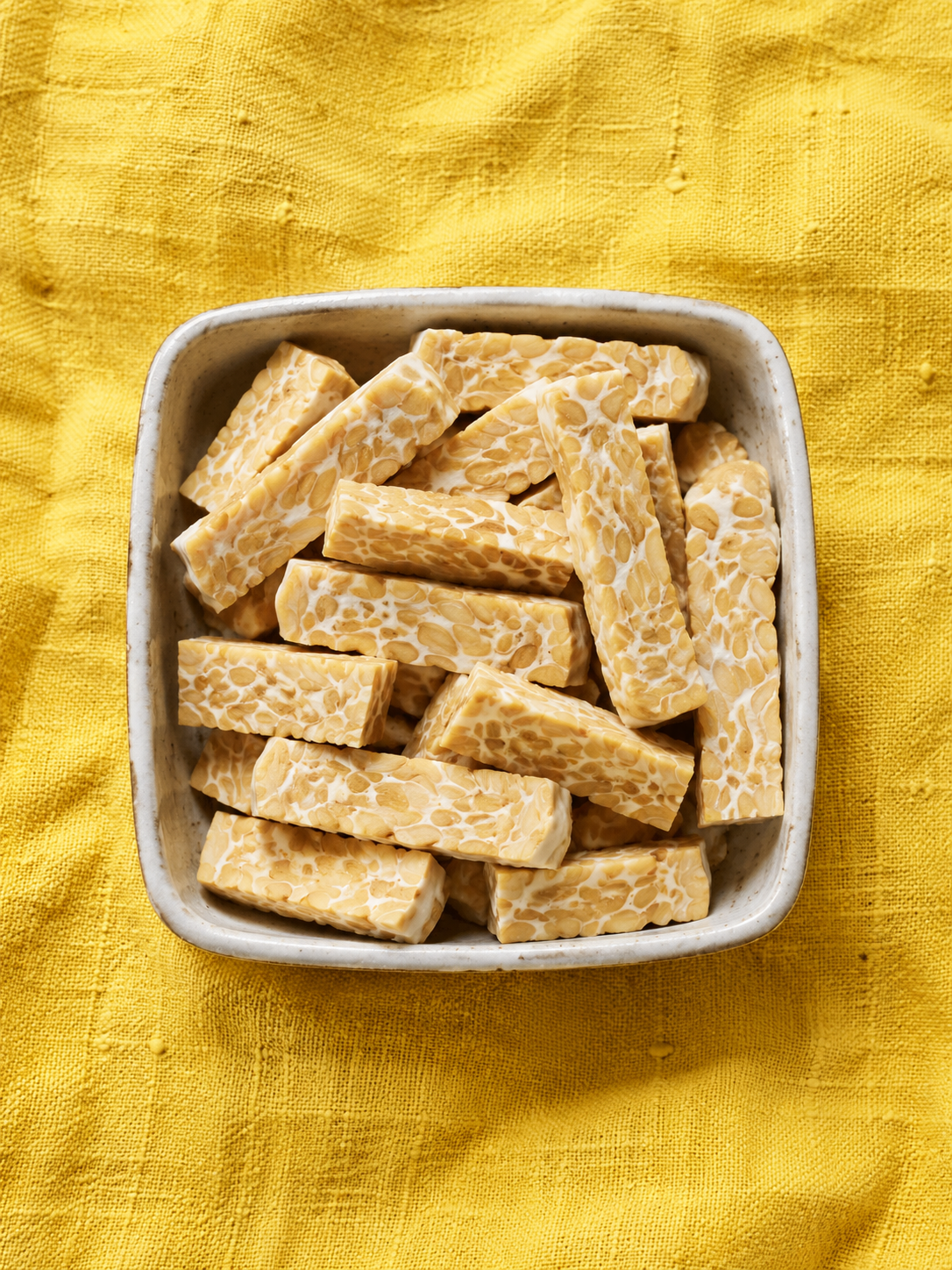
A fermented soy protein signal with isoflavones, protein density, and food-matrix context.
Food intelligence note: Tempeh is different from plain soybeans or tofu because fermentation changes the food matrix and makes it an interesting protein source in plant-forward meals.
Preparation or pairing: Pair with vegetables, whole grains, herbs, or fermented condiments to create a more complete food pattern.
How foodna reads it: foodna reads tempeh as a plant-based protein anchor with added fermentation and phytonutrient signals.
Fermented Foods
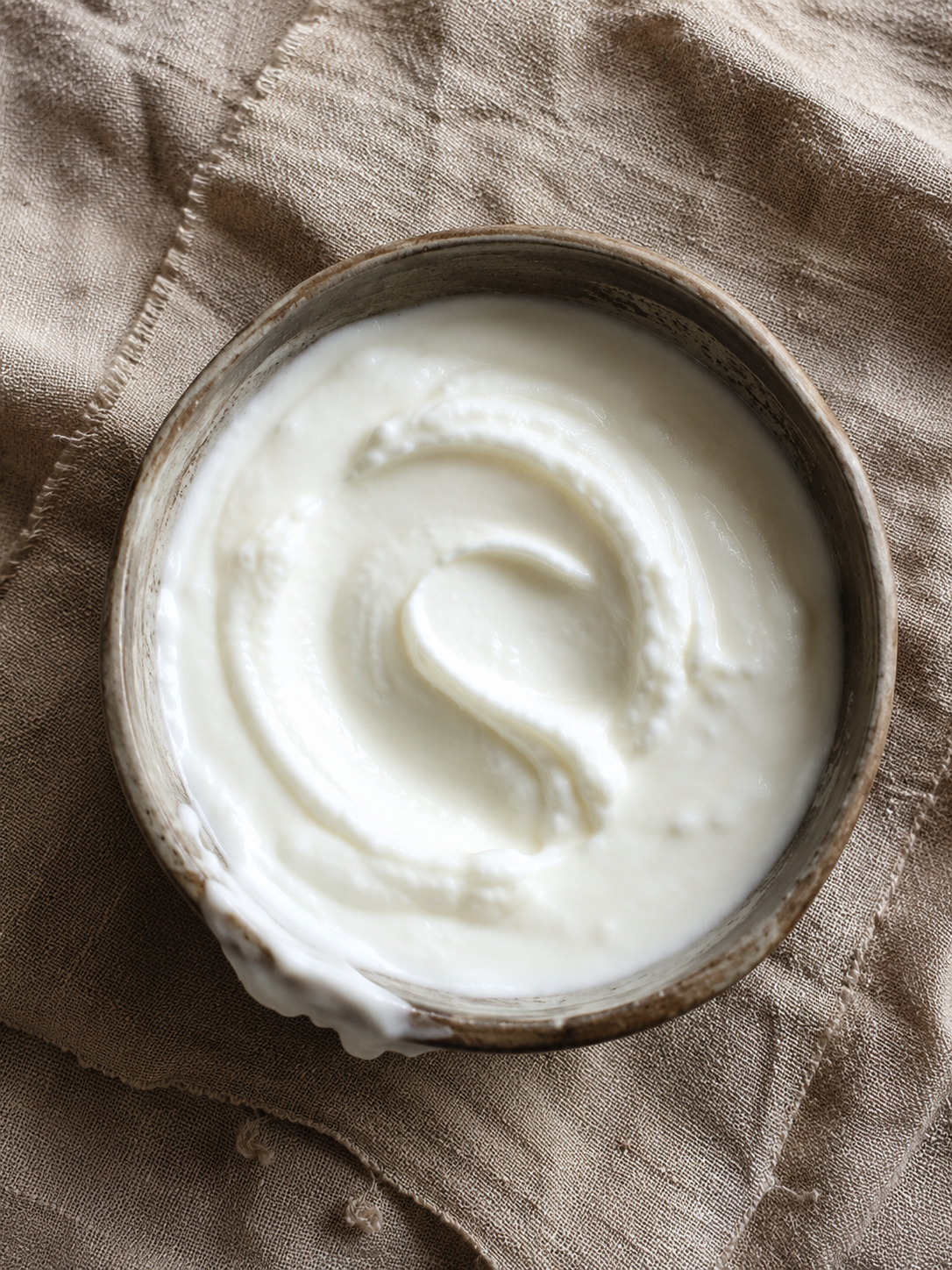
A fermented dairy signal that may combine protein, calcium, and live-culture context.
Food intelligence note: Kefir is not just drinkable yogurt. Its value depends on the product: live cultures, sugar level, protein content, and whether it is part of a broader fiber-rich meal.
Preparation or pairing: Pair with berries, oats, chia, flax, nuts, or seeds to connect fermentation with fiber diversity.
How foodna reads it: foodna reads kefir as a fermented-food signal, but not automatically a complete gut-health meal unless paired with fibers and plant diversity.
Oils & Fats
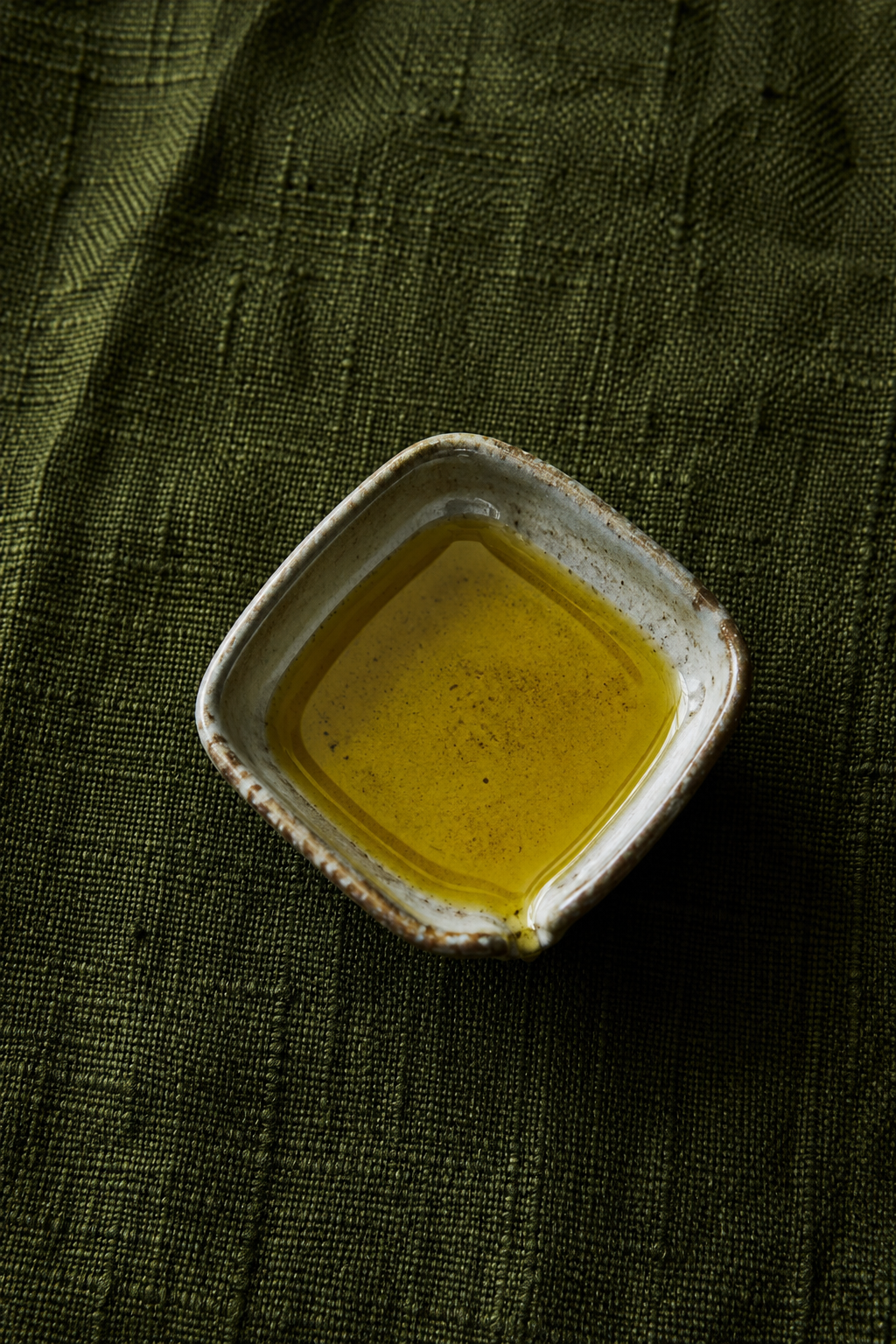
A Mediterranean fat signal associated with monounsaturated fats and olive polyphenols.
Food intelligence note: Extra virgin olive oil matters not only because it is a fat, but because its phenolic compounds and food-pairing role can improve the quality of an entire plate.
Preparation or pairing: Use with vegetables, legumes, fish, whole grains, or herbs. It can also help carry fat-soluble compounds from colorful plant foods.
How foodna reads it: foodna reads extra virgin olive oil as a quality-fat and polyphenol-context signal, especially when it replaces refined oils or ultra-processed dressings.
Herbs & Spices
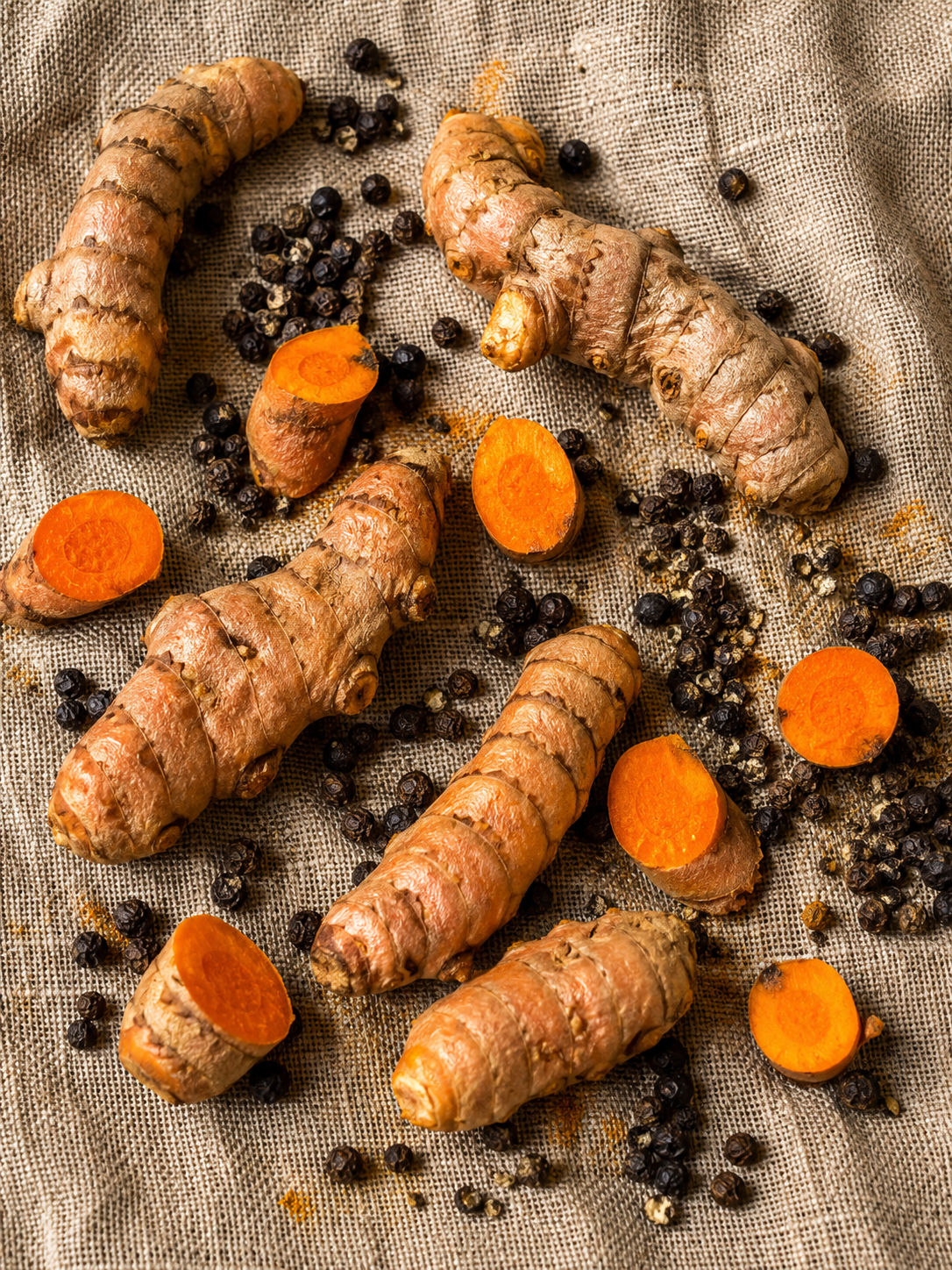
A spice signal associated with curcuminoids and preparation-dependent bioavailability.
Food intelligence note: Turmeric is a good example of why food intelligence is not just ingredient detection. Curcumin is famous, but its usefulness depends heavily on preparation and pairing.
Preparation or pairing: Black pepper and fat-containing meals are commonly used to improve curcumin absorption context. foodna reads turmeric differently when it appears alone versus in a meal with pepper, olive oil, yogurt, eggs, fish, or legumes.
How foodna reads it: foodna reads turmeric as a spice-level bioactive signal, not a magic anti-inflammatory promise.
Berries & Fruits
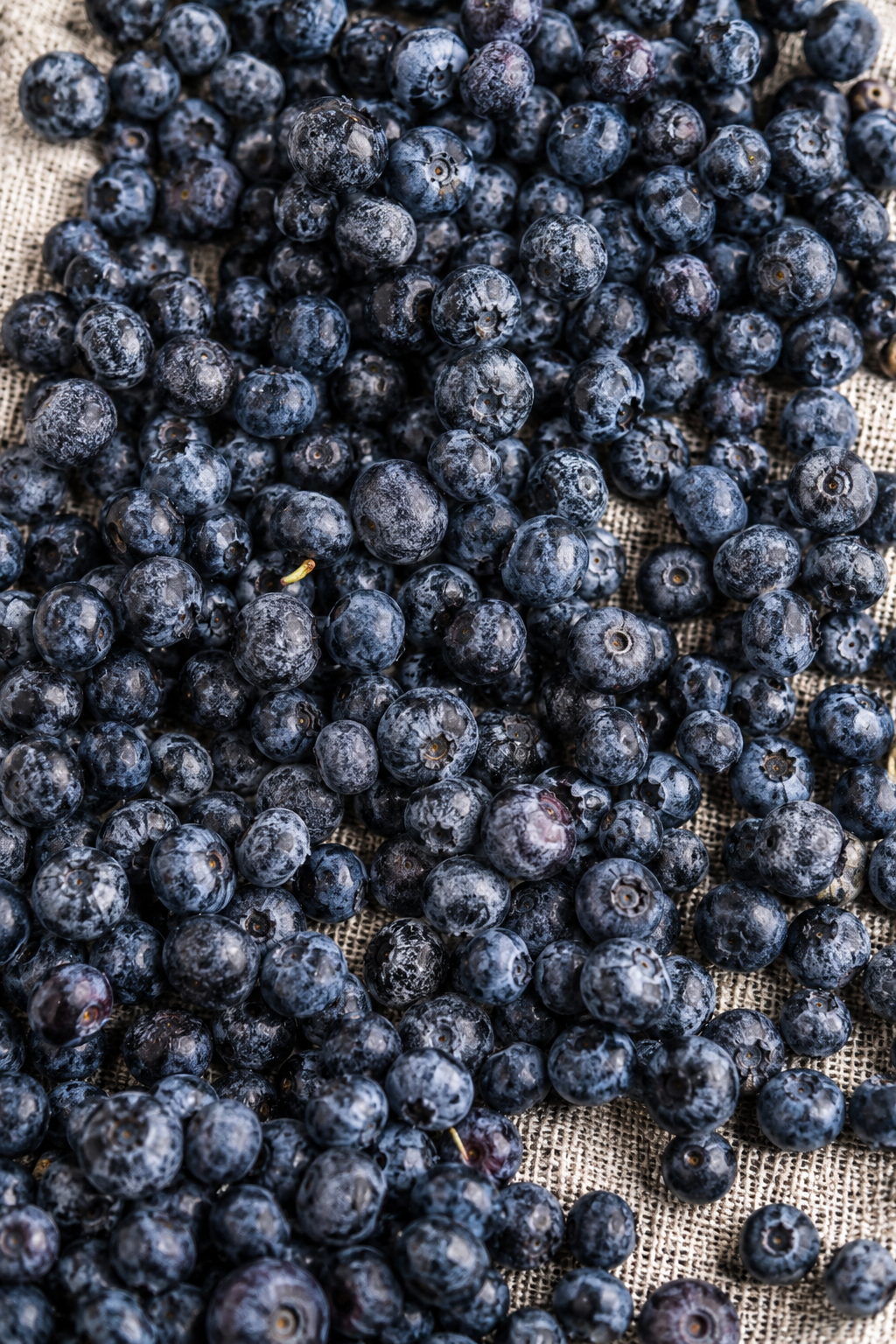
A colorful berry signal associated with anthocyanins, polyphenols, fiber, and micronutrient density.
Food intelligence note: Blueberries are interesting because their value is not only vitamin content. Their deep color signals anthocyanin-rich polyphenol patterns.
Preparation or pairing: Pair with yogurt, kefir, oats, chia, nuts, seeds, or high-protein breakfasts to improve satiety and fiber diversity.
How foodna reads it: foodna reads blueberries as a polyphenol-rich fruit signal that can lift Nutrition Density and Anti-Inflammation without turning the meal into a refined-sugar pattern.
Seeds & Nuts
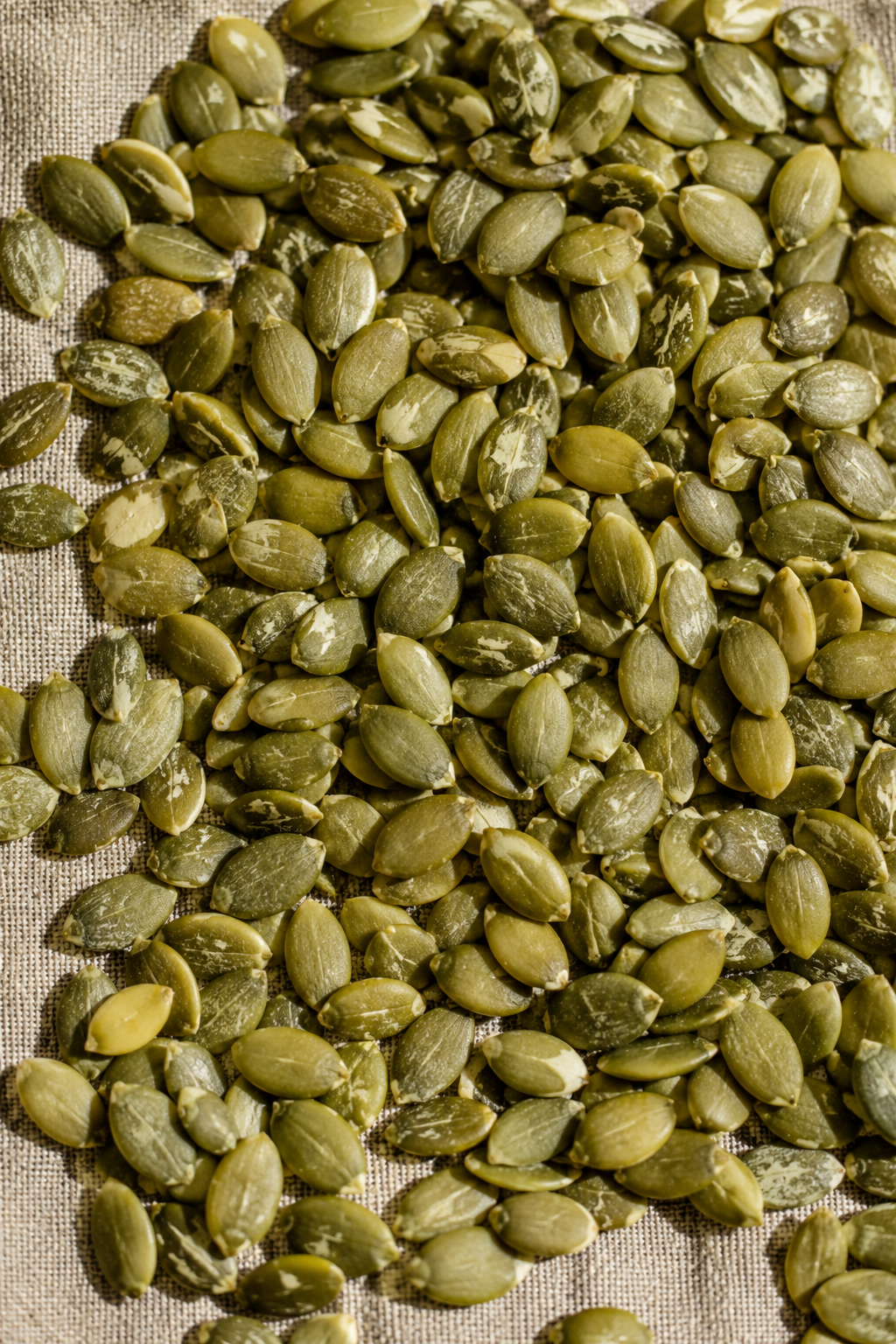
A seed signal associated with magnesium, zinc, plant protein, unsaturated fats, and mineral density.
Food intelligence note: A small amount of seeds can materially change a meal's mineral and fat-quality profile.
Preparation or pairing: Use as a topping for yogurt, salads, soups, roasted vegetables, or grain bowls.
How foodna reads it: foodna reads pumpkin seeds as a concentrated nutrient-density booster, especially useful when a meal lacks minerals, healthy fats, or texture contrast.
Context-Sensitive Foods
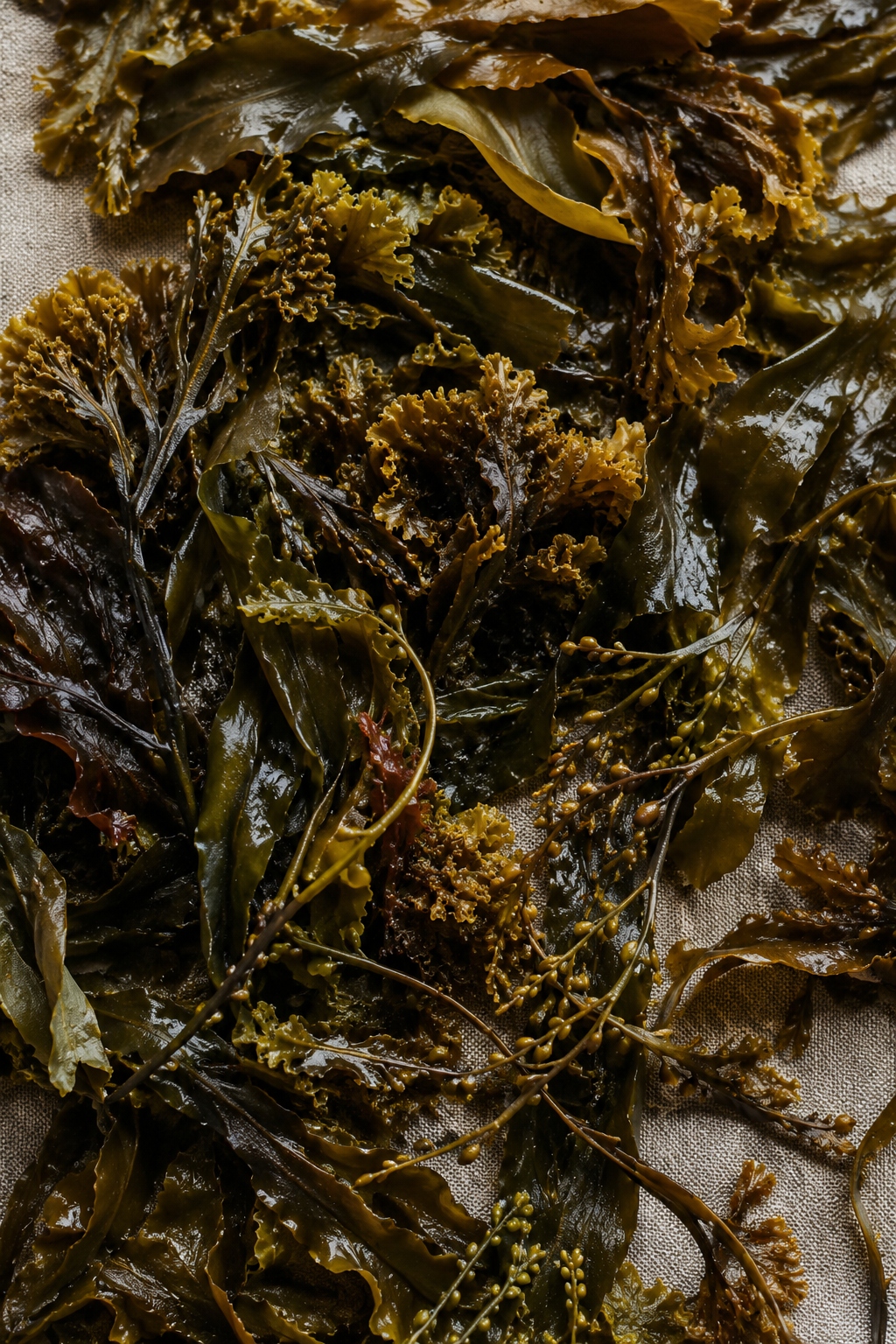
A marine-plant signal associated with iodine, minerals, and context-sensitive micronutrient density.
Food intelligence note: Seaweed is a good example of foodna's non-simplistic approach. It can be nutrient-dense, but iodine levels vary dramatically by type and amount.
Preparation or pairing: Nori, wakame, and kelp should not be read as identical from a nutrition perspective.
How foodna reads it: foodna reads seaweed as a high-signal ingredient that requires context. It can support Nutrition Density, but foodna avoids reading more as automatically better.
Context note: More is not automatically better. Amount, species, and meal context matter.
The complete foodna library works quietly inside the app. You do not need to memorize compounds, nutrients, or preparation rules.
Just photograph your meal. foodna matches what it sees to its food intelligence system, reads the meal across five dimensions, and gives you practical ways to improve the biological value of what you already eat.
Apply for private beta →foodna's public food intelligence content is built from curated ingredient data, public food composition references, nutrition science literature, and internal meal-analysis patterns from early product testing.
We read food as context. A single ingredient is never a miracle or a medical decision. Its meaning depends on the rest of the meal, the way it is prepared, and the pattern it belongs to over time.
foodna provides food intelligence for general wellness and educational purposes.
It is the real-food knowledge system behind foodna. It maps ingredients, food signals, preparation context, and meal patterns into five practical dimensions for everyday eating.
No. foodna is not a calorie tracker or diet app. Its core lens is personal food intelligence: what a real meal may support across metabolic stability, anti-inflammation, muscle support, gut health, and nutrition density.
No. foodna is for general food and nutrition education. It is not medical advice or a personal care plan.
Some food signals change depending on chopping, cooking, fermentation, pairing, and processing. foodna reads preparation as part of the food context.
No. The library works inside the app. Users can simply photograph meals and receive practical food intelligence.
Limited Free Access
presented by Atelier A³, AI × Aesthetic × Agency